EN
EN SP
SP FR
FR
- Home
- About Us
- Products
- Service
- Project
- News
- Contact Us
Pulished on Aug. 17, 2023
Corrosion-resistant coatings are a key component of anti-climb fences, providing long-term protection against corrosion and damage to the surface of the fence. This coating maintains the appearance and performance of the fence in a variety of environmental conditions, ensuring that it effectively fulfills its safety function.
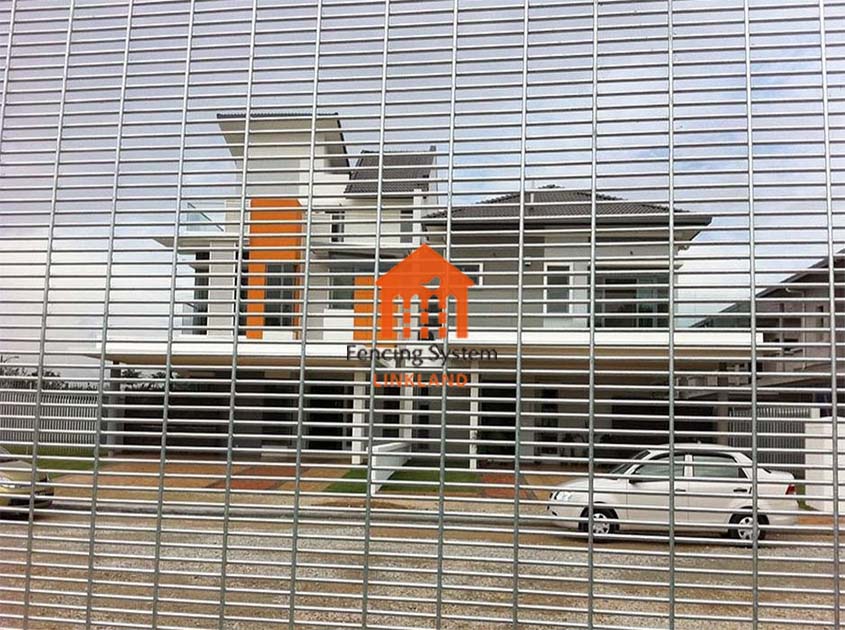
Hot Dip Galvanized Coating
Hot-dip galvanizing is a common corrosion-resistant coating widely used in anti-climb fences. This coating works by dipping the fence in molten zinc to create a strong layer of zinc. Zinc has excellent corrosion resistance and can effectively resist oxidation, corrosion and wear, extending the life of the fence.
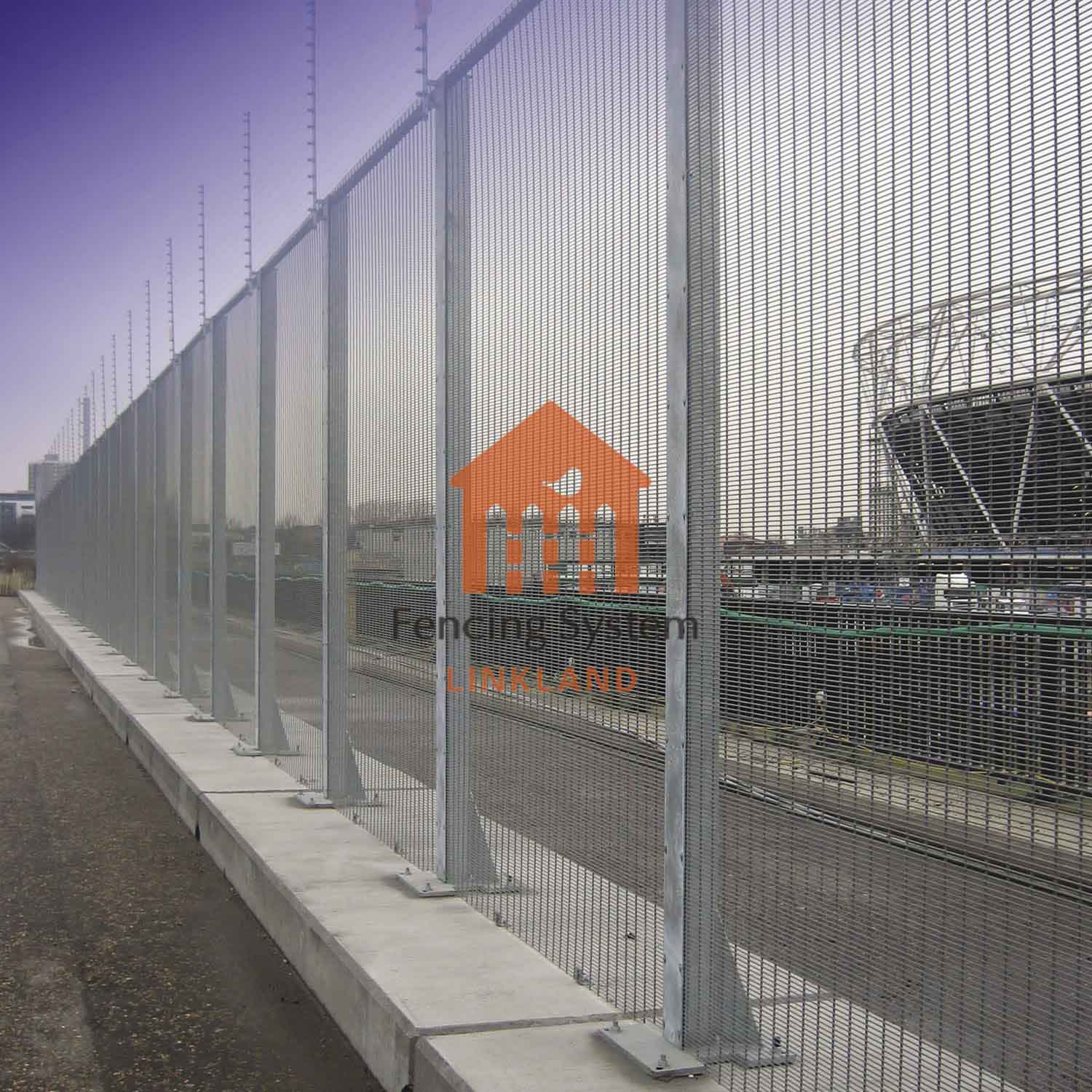
Polyester powder coating
Polyester powder coating is another common corrosion resistant coating option. This coating is composed of polyester resin and pigments, and is applied to the surface of the fence by electrostatic spraying or electrophoretic coating. Polyester powder coating offers excellent weather and corrosion resistance, resisting elements such as UV radiation, chemicals and humidity.
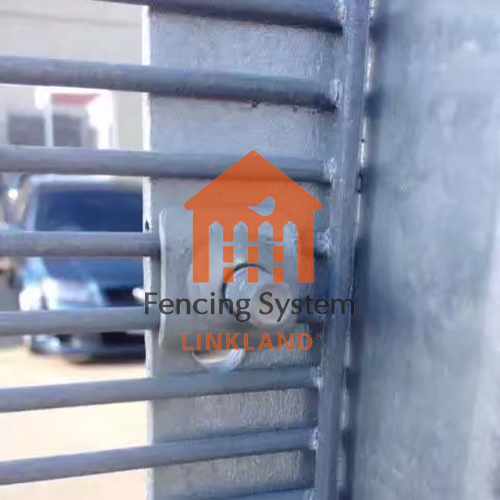
epoxy coating
Epoxy coating is a commonly used corrosion-resistant coating, especially suitable for fence applications in harsh environments. Consisting of epoxy resin, hardener and additives, this coating provides excellent chemical and abrasion resistance. Epoxy coating can effectively protect the surface of the fence from acid, alkali, salt and chemical solvents, ensuring that the fence maintains good appearance and performance for a long time.
We have introduced the types and characteristics of corrosion-resistant coatings for anti-climbing fences. The importance of corrosion-resistant coatings is emphasized. The characteristics of hot-dip galvanized coatings are introduced. The advantages of polyester powder coating are mentioned. The chemical resistance of epoxy coatings is presented. The choice of these corrosion resistant coatings ensures that the anti-climb fence maintains durability, aesthetics and efficient performance in a variety of environmental conditions.
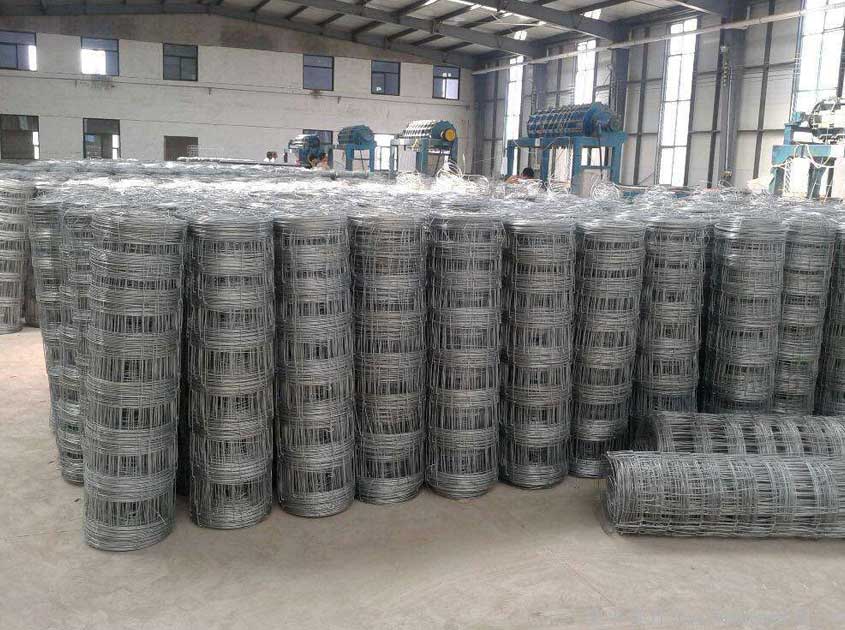
How to Choose Farm Fence for Cattle and Horses: Wire, Height and Design Guide
Pulished on Sep. 23, 2026
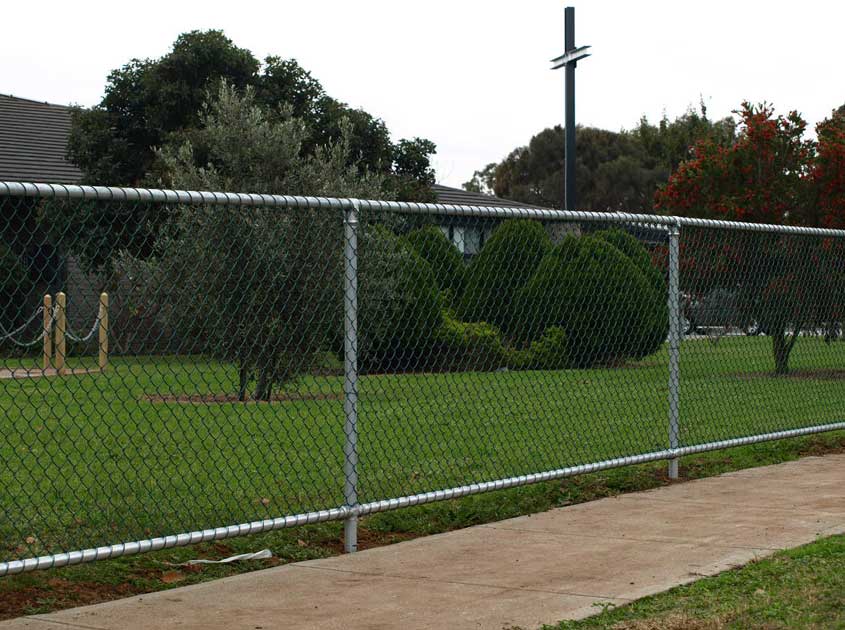
How Is Chain Link Fence Made? Manufacturing Process and Components
Pulished on Sep. 18, 2026
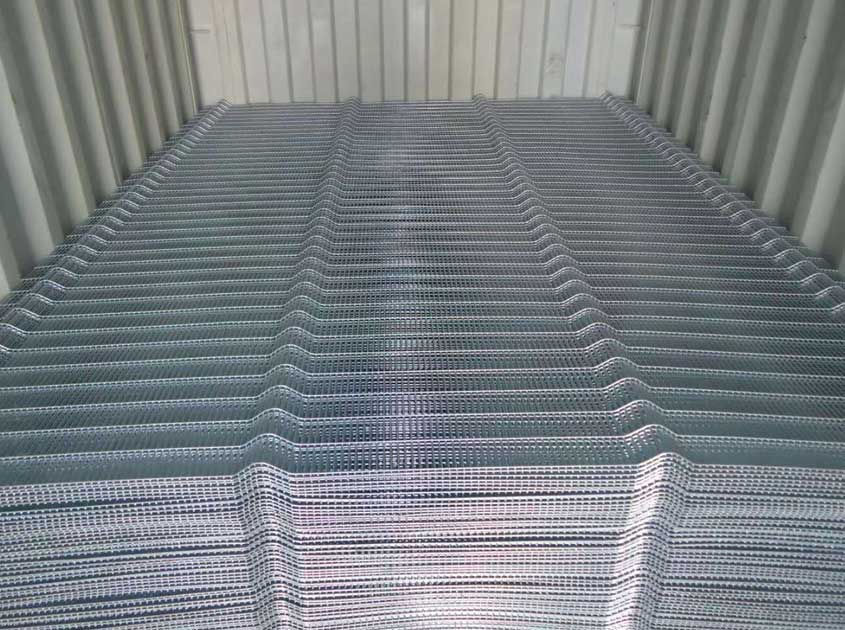
358 Security Fence vs Chain Link Fence: Security, Cost and Application Comparison
Pulished on Sep. 15, 2026
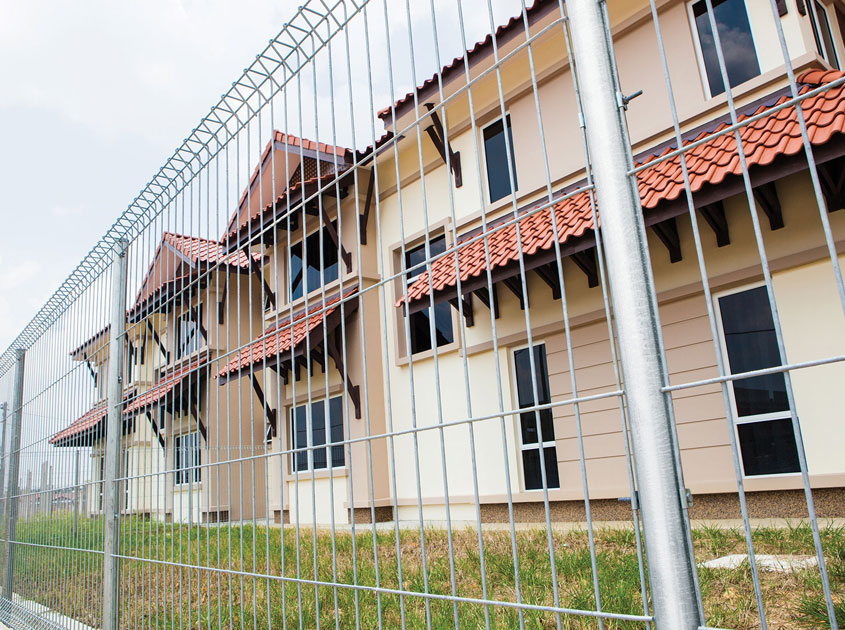
Why Choose Welded Wire Fence for Security and Protection?
Pulished on Sep. 07, 2026
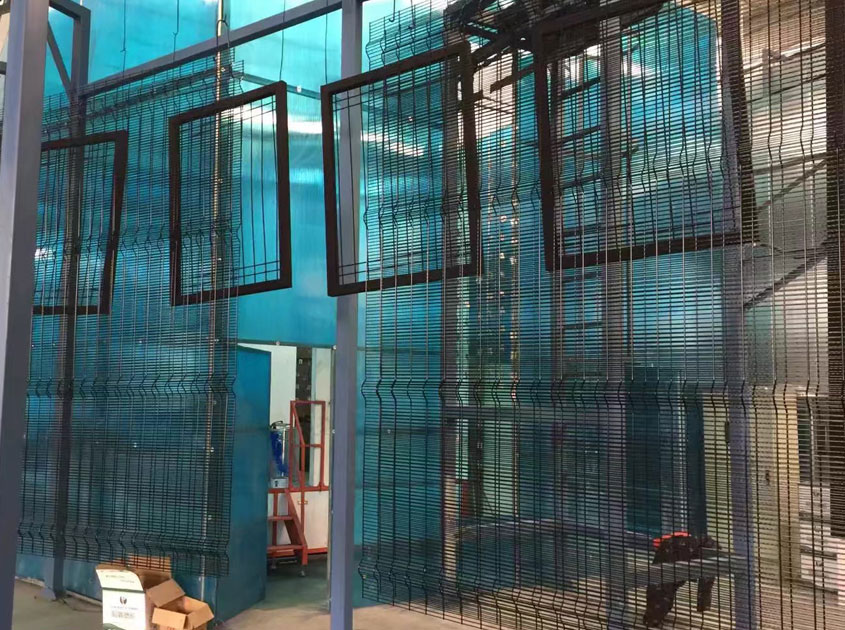
358 Security Fence Specifications and Applications Guide
Pulished on Aug. 27, 2026
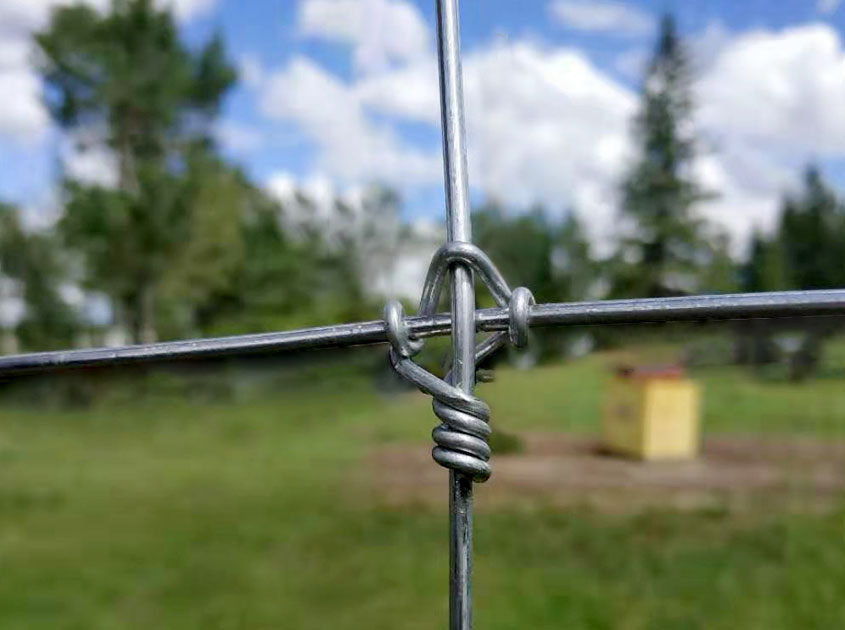
What Is Farm Fence and What Are the Main Types?
Pulished on Aug. 26, 2026
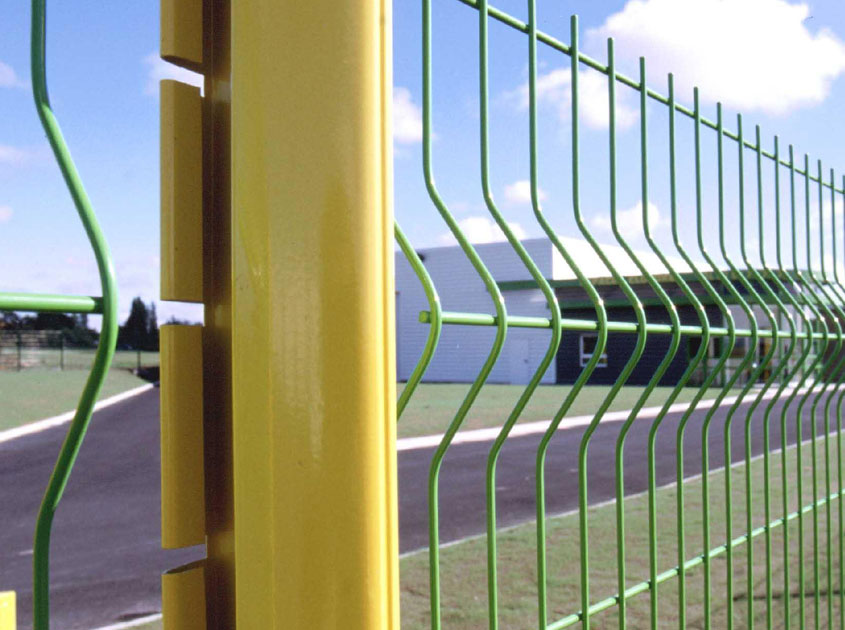
Welded Wire Fence Types, Sizes and Applications Guide
Pulished on Aug. 20, 2026
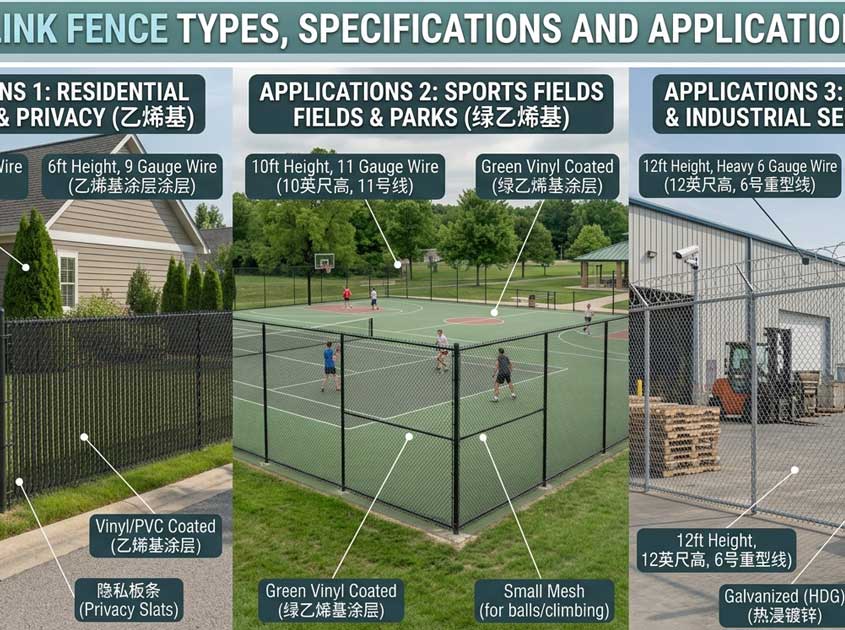
Chain Link Fence Types, Specifications and Applications Guide
Pulished on Aug. 12, 2026
How to Choose Farm Fence for Cattle and Horses: Wire, Height and Design Guide
Pulished on Sep. 23, 2026
How Is Chain Link Fence Made? Manufacturing Process and Components
Pulished on Sep. 18, 2026
358 Security Fence vs Chain Link Fence: Security, Cost and Application Comparison
Pulished on Sep. 15, 2026
Why Choose Welded Wire Fence for Security and Protection?
Pulished on Sep. 07, 2026
358 Security Fence Specifications and Applications Guide
Pulished on Aug. 27, 2026
What Is Farm Fence and What Are the Main Types?
Pulished on Aug. 26, 2026
Welded Wire Fence Types, Sizes and Applications Guide
Pulished on Aug. 20, 2026
Chain Link Fence Types, Specifications and Applications Guide
Pulished on Aug. 12, 2026